Inquiry
Form loading...
0%

If you're sourcing from overseas, a Virus Filter isn't just another technical part. It helps keep air and fluids safer in hospitals, labs, factories, and public settings. So buyers need to dig into what it actually removes, how well it performs, and where it fits in the bigger system. A clear spec can save you from some pretty expensive misunderstandings across borders.

Performance? It comes down to things like pore size, airflow, pressure drop, materials, sealing quality, and the conditions where it's used. Independent test reports go a long way here, especially if they spell out the methods, limits, and sample details. Certifications can help guide the purchase, sure, but a cert by itself doesn't mean it's right for every application. Context really matters.

A dependable supplier should walk you through installation, replacement timing, storage needs, and traceability. And the product data should line up across the website, quote, packaging, and technical docs. Small gaps can turn into big risks. It happens.

For global buyers, practical evidence is key. Ask for batch records, quality controls, validation results, and after-sales support. Compare the filter's claimed efficiency with the real equipment environment, including humidity, temperature, and pressure swings. A Virus Filter might look great in testing and behave differently day to day. That's worth being honest about.

No product works by itself, either. Maintenance, trained people, compatible equipment, and documented procedures are still essential. Buyers should push back on vague claims and ask for precise answers before ordering. Careful evaluation protects users, budgets, and long-term supply. It also gives suppliers a reason to improve. So understanding why a Virus Filter matters takes both technical know-how and a bit of thoughtful purchasing discipline.

Why Is a Virus Filter Essential for Global Buyers?

What Is a Virus Filter and How Does It Work?

Why Is a Virus Filter Essential for Global Buyers?

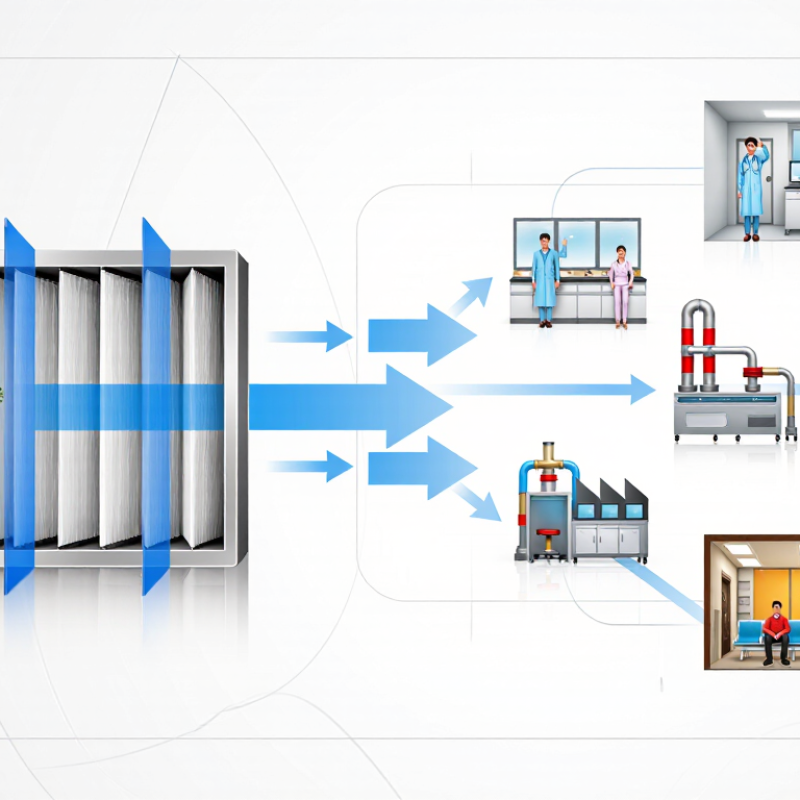
A virus filter cleans air by trapping tiny particles that may carry viruses. Most models use dense mechanical media, such as high-efficiency fiber layers. Air passes through, while particles collide with or stick to the fibers. A properly sealed filter matters as much as the filter media. Even a small gap can let contaminated air bypass the system. In practical inspections, buyers should check airflow, pressure drop, filter efficiency, and replacement procedures. A Ts Filter should include clear test data, not vague claims.

Some systems add ultraviolet treatment or other technologies. These features may reduce microorganisms, but performance depends on exposure time, lamp strength, airflow, and maintenance. A filter captures particles; it does not always destroy them. This distinction is easy to miss. No filter is magic. Buyers should request independent reports and confirm whether results apply to real operating conditions. A high-efficiency filter can also restrict airflow, increase energy use, or require stronger equipment. That trade-off deserves honest review.

Tips: Check the seal first. Ask for tested airflow data. Inspect the filter housing for cracks. Replace loaded filters safely and according to the supplier’s instructions. Do not judge performance from appearance alone. Clean air is a system result, not just a product label.

Why Virus Filtration Matters in Global Trade

Why Virus Filtration Matters in Global Trade

Global trade moves biologic materials through many climates, carriers, and handling points. A virus filter helps reduce contamination risks during controlled manufacturing and transfer. It is not an Oil Filter, although both use filtration principles. Virus filtration requires validated membranes, controlled pressure, and documented integrity testing. Small process changes can affect performance.

The World Health Organization reported 1.3 million viral hepatitis deaths in 2022. That figure shows why reliable contamination controls matter beyond the factory floor. In biopharmaceutical trade, buyers should request virus clearance data, filter compatibility results, and batch traceability. ICH Q5A(R2), issued by the International Council for Harmonisation in 2023, recommends evaluating viral safety with relevant model viruses and validated clearance steps. The guidance supports evidence, not vague claims.

A practical review should examine flow rate, pressure limits, temperature exposure, and shipping conditions. A filter may pass factory testing but face different risks after long-distance transport. Packaging damage, storage delays, or incorrect installation can weaken confidence. Certificates can look reassuring. They are not proof of every real-world outcome.

There is room for better thinking. Buyers sometimes compare filters by pore size alone, which is too narrow. Virus retention depends on membrane structure, feed composition, and process design. Independent testing and clear supplier records make international purchasing more reliable. The Global Hepatitis Report 2024 also reminds us that preventable viral risks still create serious public-health costs.

Which Industries Require Virus Filtration Solutions?

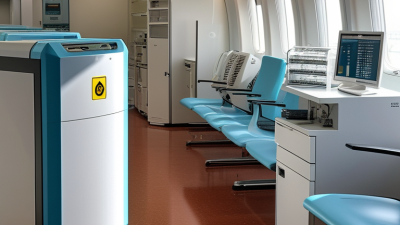
Healthcare facilities require virus filtration to protect patients, clinicians, and sensitive medical equipment. Air Filter systems help reduce airborne contamination in isolation rooms, operating theatres, and intensive care units. However, airflow design matters as much as filter media. Poor sealing can leave gaps around doors, ducts, or ceiling panels.

Pharmaceutical and biotechnology plants depend on virus filtration during vaccine, antibody, and sterile product manufacturing. Liquid filters can remove or reduce viral contaminants from process streams. Air filtration supports controlled rooms where small particles may affect product safety. These systems need documented testing, routine integrity checks, and carefully trained operators. A certificate alone is not enough.

Research laboratories also need reliable filtration when handling viral samples or cell cultures. Food and beverage processors may use filtration to protect water, ingredients, and clean production zones. Hospitals and laboratories often face different risks, so one standard setup cannot fit every site. That assumption deserves review. An Air Filter selected only by particle rating may perform poorly under real humidity, pressure, or maintenance conditions. Visible dust is not proof of viral protection. Site assessments, validated procedures, and records of filter replacement provide stronger evidence for global buyers.

Why Is a Virus Filter Essential for Global Buyers? - Which Industries Require Virus Filtration Solutions?

Industry Typical Process Stage Primary Virus-Control Objective Common Filtration or Treatment Approach Typical Technical Range or Metric Key Validation Considerations
Biopharmaceutical Manufacturing Bulk drug-substance purification and final sterile processing Prevent contamination of biologics and protect patients from adventitious viruses Dedicated virus-retentive nanofiltration, supported by chromatography, low-pH treatment, or other orthogonal clearance steps Many virus-retentive membrane products are designed for virus sizes roughly from 15–35 nm, but performance depends on virus type, membrane, pressure, and process fluid Virus-spiking studies, log reduction value, product recovery, throughput, pressure, fouling, and compatibility with ICH Q5A(R2) expectations
Plasma-Derived Products Fractionation and purification of plasma proteins Reduce the risk of both enveloped and non-enveloped viruses in human plasma products Virus filtration combined with validated solvent/detergent treatment, pasteurization, low-pH processing, or other complementary methods The smallest relevant viruses generally present the greatest filtration challenge; process capability is usually reported as log reduction rather than pore size alone Representative virus panels, worst-case process conditions, protein yield, filter integrity, and validation of multiple independent clearance mechanisms
Vaccine Manufacturing Cell-culture harvest clarification, intermediate purification, and formulation Control adventitious agents while preserving vaccine antigen or viral-vector activity Clarification followed by process-specific virus filtration or other validated viral-clearance steps Pre-filtration may use larger-pore clarification media; virus-retentive filtration is selected according to the target virus, product size, and acceptable yield loss Recovery of active antigen, removal of process impurities, viral-clearance studies, filter capacity, and validation under maximum bioburden conditions
Cell and Gene Therapy Viral-vector production, harvest, purification, and final formulation Remove unwanted adventitious viruses without removing or damaging the therapeutic vector Carefully selected clarification, chromatography, depth filtration, and virus-clearance operations; direct virus filtration may be limited by vector size Large viral vectors can be approximately 70–250 nm or more, so conventional virus-retentive membranes may also retain the product and require product-specific evaluation Vector recovery, potency, aggregation, membrane interaction, sterility, adventitious-agent testing, and scale-up consistency
Pharmaceutical Water Systems Purified water, water-for-injection, and point-of-use distribution Limit microbial and viral contamination in high-purity water used for manufacturing and cleaning A multi-barrier system such as reverse osmosis, ultrafiltration, ultraviolet treatment, sanitization, and final point-of-use filtration Reverse osmosis and ultrafiltration provide different removal mechanisms; no single filter should be assumed to remove every virus under all operating conditions System qualification, microbial monitoring, sanitization effectiveness, membrane integrity, endotoxin control, and ongoing trend analysis
Drinking-Water Treatment Municipal treatment, polishing, and decentralized drinking-water production Reduce pathogenic viruses such as enteric viruses before water reaches consumers Coagulation and clarification followed by membrane treatment, ultraviolet disinfection, ozone, chlorine, or a validated combination of barriers Performance is normally expressed using log removal or inactivation credits; treatment effectiveness varies with turbidity, UV transmittance, disinfectant dose, and contact time Source-water quality, validated operating conditions, pressure or integrity monitoring, disinfectant residual, and compliance with applicable national drinking-water rules
Wastewater and Water Reuse Tertiary treatment and advanced treatment for reuse applications Lower viral risk in reclaimed water used for irrigation, industrial processes, or indirect potable reuse Membrane bioreactors, ultrafiltration, reverse osmosis, ultraviolet disinfection, ozone, and monitored multi-barrier treatment trains Virus reduction is influenced by membrane rejection, fouling layer, disinfectant dose, water quality, and the target reuse category Challenge testing, continuous process monitoring, surrogate indicators, membrane integrity, redundancy, and validated response procedures for treatment failure
Food and Beverage Processing Ingredient water, liquid products, and high-care filling operations Protect water and liquid products from viral contamination where raw materials or personnel create a relevant risk Validated water disinfection, hygienic zoning, heat treatment where suitable, and membrane filtration for selected liquid streams Filtration selection depends on product viscosity, suspended solids, temperature, virus target, and whether the product can tolerate heat or chemical treatment HACCP-based hazard assessment, hygienic design, sanitation validation, environmental monitoring, and verification of critical control limits
Healthcare and Clinical Laboratories Air handling, liquid waste management, specimen preparation, and controlled laboratory processes Reduce airborne or liquid transmission risks in environments handling infectious materials High-efficiency air filtration, sealed liquid-waste treatment, validated disinfection, and engineering controls Air-cleaning performance is commonly evaluated using particle-size efficiency and airflow; liquid systems require virus-specific validation Containment level, airflow direction, filter integrity, maintenance procedures, waste inactivation, and occupational-health requirements
Research and Diagnostic Laboratories Sample preparation, cell culture, media preparation, and laboratory waste handling Prevent cross-contamination and protect personnel when handling clinical or research samples Sterile filtration for compatible liquids, biosafety cabinets with high-efficiency air filtration, autoclaving, and validated chemical or thermal treatment A sterilizing-grade liquid filter is not automatically a universal virus filter; suitability depends on organism size, membrane structure, and test conditions Filter compatibility, recovery of analytes, containment procedures, aerosol control, decontamination validation, and documented maintenance
Important selection note: Virus filtration performance cannot be determined by nominal pore size alone. Buyers should review organism-specific challenge data, log reduction value, operating pressure, flow rate, product recovery, membrane integrity testing, fouling behavior, and applicable regulatory requirements before selecting a solution.

How to Evaluate Virus Filter Performance and Quality

Virus-filter quality is not proven by a polished housing or a large airflow number. Global buyers should request the test standard, challenge organism, pressure drop, and failure limit. Ask for raw reports. The WHO Coronavirus Dashboard recorded more than seven million confirmed COVID-19 deaths by mid-2024, showing why dependable barrier data matters. That figure does not predict a filter’s performance. Testing does.

ISO 29463-5 evaluates high-efficiency filters using a most-penetrating particle size aerosol. NIOSH efficiency classes include 95%, 99%, and 99.97%, under defined laboratory conditions. These claims are not interchangeable. Request efficiency at the intended airflow, pressure-drop data, and loading results. Check whether testing covers humidity, temperature changes, and vibration during transport. For liquid systems, ASTM F838 uses Brevundimonas diminuta as a bacterial challenge, not a human virus. Viral claims need a validated bacteriophage or virus-retention method.

An Ink Filter may remove pigment particles, but it cannot replace validated virus-retention testing. Inspect seals, welds, labels, and traceability at the receiving dock. One overlooked gasket can defeat excellent filter media. Practical audits often reveal gaps between laboratory results and installation conditions. Supplier documents may omit challenge concentration or test duration. Treat missing conditions as a procurement risk, not automatic proof of failure. A second review is worthwhile.

What International Standards Govern Virus Filters?

Why Is a Virus Filter Essential for Global Buyers?

International buyers should know that no single global standard governs every virus filter. Requirements depend on the product’s use, airflow, and exposure risk. For high-efficiency air filters, EN 1822 and ISO 29463 are major references. They classify EPA, HEPA, and ULPA filters by efficiency at the most penetrating particle size. Testing usually measures aerosol penetration, pressure drop, and leakage.

That detail matters. A filter passing an MPPS test is not automatically proven against every virus. Viruses may travel inside droplets or smaller aerosol particles. Performance also changes with humidity, airflow speed, installation quality, and service life. I have seen specifications look impressive until gasket leakage reduced real protection.

For ventilation systems, ISO 16890 may help compare particle-filter performance, but it is not a virus-specific certification. Protective clothing and medical barriers may require standards such as ASTM F1671 or ISO 16603 for resistance to biological or synthetic liquid penetration. Respirators and masks follow separate regional requirements, depending on the target market. Buyers should request the complete test report, laboratory scope, test aerosol, airflow rate, and leakage results. Ask whether testing covered the finished assembly, not only the filter media. The wording can be confusing. A supplier’s “virus filtration” claim deserves careful review, especially when it lacks independent verification or clear operating limits.

How Global Buyers Can Select the Right Virus Filter

Global buyers should choose a virus filter by application, not by marketing language. Air filtration, laboratory protection, and liquid processing require different designs. Define the airflow or liquid flow rate first. Then check the filter’s tested efficiency at the required operating conditions. A high efficiency rating means little if pressure loss stops the equipment. It is also important to review the test method, particle size, temperature, humidity, and installation position. Ask for independent test reports and traceable batch records. Vague claims deserve caution.

Material compatibility can prevent expensive failures. Confirm whether the filter contacts chemicals, moisture, heat, or repeated cleaning cycles. For air systems, examine sealing quality, housing strength, and integrity testing after installation. For liquid systems, review membrane pore size, bacterial or viral retention data, and allowable pressure. Supplier experience matters too. Request samples, technical drawings, replacement intervals, and shipping protection details. A filter damaged during a long sea journey is no longer a reliable control.

Local compliance should be checked before purchase. Requirements may differ across countries and industries. Certification can support a decision, but it does not replace application testing. Buyers should compare total operating cost, not only the unit price. Energy use, disposal, maintenance labor, and spare-part availability can change the final result. One overlooked issue is training. Even a well-tested filter may fail when installed incorrectly. I would also question any supplier promising complete virus removal without explaining limits, testing conditions, and realistic use scenarios. No filter solves every risk alone.

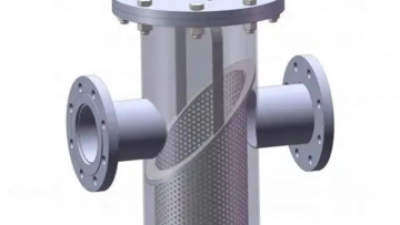
Basket Magnetic Filter Housing: Design, Applications, and Selection Guide

A basket magnetic filter housing is designed to protect liquid-processing systems by removing solid particles and, when equipped with magnetic elements, capturing ferrous contaminants from the flow. Its compact structure typically includes connecting pipes, a pressure-resistant main body, a removable filter basket, flanges, covers, fasteners, and optional magnetic rods. As liquid enters the vessel, the specified-size screen retains suspended impurities while magnetic elements attract iron particles. The filtered liquid then passes smoothly through the outlet, helping reduce wear, blockage, and contamination in downstream equipment.

This type of housing is suitable for cooling water, process liquids, lubricants, hydraulic fluids, chemical solutions, and other industrial streams where reliable particle control is required. Selection should consider the liquid type, flow rate, operating pressure and temperature, connection size, filtration accuracy, basket material, and the quantity and strength of magnetic elements. A larger basket can extend service intervals, while a finer screen provides more precise filtration but may require more frequent cleaning. For convenient maintenance, the housing should allow quick access to the basket and magnetic components, with sufficient clearance for removal, inspection, and replacement. Its straightforward design supports easy installation and stable daily operation in a wide range of pipeline systems.

FAQS

What is a virus filter?

A virus filter cleans air by trapping tiny particles that may carry viruses. Air moves through dense fiber layers. Particles collide with, or stick to, the fibers.

How does a virus filter work?

The filter uses mechanical separation. Its fibers capture particles as air passes through. A small housing gap can allow contaminated air to bypass the filter.

Why is proper sealing important?

Sealing matters as much as filter efficiency. Inspect gaskets, frames, and housing joints for cracks. Even a narrow gap can reduce real protection. Seals matter.

Does a high-efficiency filter destroy viruses?

Not always. Most filters capture particles rather than destroy them. Ultraviolet treatment may reduce microorganisms, but exposure time and maintenance affect results. No filter is magic.

Which performance details should buyers check?

Request tested airflow, pressure drop, particle efficiency, and leakage results. Check the replacement process and service life. Do not judge performance by appearance alone.

Can a powerful filter reduce airflow?

Yes. Dense filter media can increase pressure drop and energy use. The system may need stronger equipment. This trade-off deserves a careful review.

Which standards may apply to virus filters?

EN 1822 and ISO 29463 are important references for high-efficiency air filters. ISO 16890 helps compare particle-filter performance in ventilation systems. It is not virus-specific certification.

What should international buyers request from suppliers?

Ask for the complete test report and laboratory scope. Confirm the test aerosol, airflow rate, pressure drop, and leakage results. Check whether testing covered the finished assembly, not only the filter media. Some specifications look impressive, but real installation results may differ.

Conclusion

A Virus Filter is a specialized membrane or purification system designed to remove or retain viruses from liquids, gases, or process streams while allowing desired materials to pass through. Its effectiveness depends on factors such as pore structure, filtration mechanisms, flow rate, pressure, compatibility, and validated virus-removal performance. For global buyers, virus filtration is essential because it supports product safety, quality consistency, regulatory compliance, and reliable international supply chains. It is especially important in pharmaceutical manufacturing, biotechnology, healthcare, food and beverage processing, water treatment, and other industries where contamination control is critical.

When evaluating a Virus Filter, buyers should review retention performance, throughput, integrity testing, material compatibility, service life, documentation, and quality-control procedures. International standards and industry regulations can help confirm that a product is manufactured, tested, and documented consistently. Buyers should also consider operating conditions, installation requirements, total cost, supplier support, and local compliance obligations before making a decision. A carefully selected solution can improve process reliability while reducing contamination risks and supporting safe, efficient global trade.

Oliver

Oliver

Oliver is a dedicated marketing professional at Hangzhou Tianshan Precision Filter Material Co., Ltd. (TS FILTER), a prominent manufacturer based in China known for its expertise in liquid and gas filtration solutions. With an extensive background in the filtration industry, Oliver possesses a deep......
Previous 2026 Top Filter Capsules Types for Global Buyers