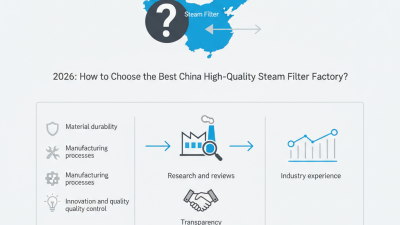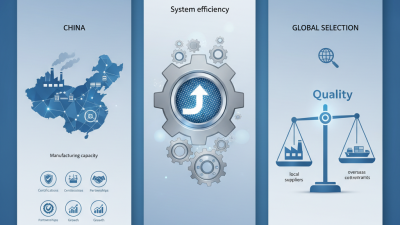
In today's market, picking the right Steam Filter can really make a difference, especially for global buyers trying to make the best choice. There are so many options out there, and it can be overwhelming to figure out which one actually works well. Honestly, how effective a steam filter is can seriously impact overall performance. Things like how durable it is, how efficient it runs, and how easy it is to maintain are all important factors to keep in mind.
Lots of companies make different steam filter models, each with their own features. Big names like Parker Hannifin and Donaldson have earned solid reputations for being reliable. But, not every filter is created equal — some might not quite live up to expectations. It’s actually a good idea to check out customer reviews; they often give a pretty honest look at how these filters perform in real-world situations.
And, of course, understanding what you really need is key. Different setups might need different types of steam filters. Trying to go with a one-size-fits-all kinda deal rarely works here. Remember, investing a bit more in a high-quality filter could actually save you time and hassle down the line. Going for a cheaper, low-quality option might lead to unexpected problems. Do your homework, and you’ll be much more likely to make a smart choice that suits your needs perfectly.
Steam filters play a crucial role in various industries, ensuring the purity and quality of steam used in processes. In pharmaceutical manufacturing, for instance, they prevent contaminants from entering production lines. This safeguard is vital for maintaining product integrity and safety. Without proper steam filtration, the risk of contamination increases significantly, potentially leading to costly setbacks.
Choosing the right steam filter is essential for operational efficiency. The type of filter you select can affect your overall system performance. Using a Steam Cartridge Filter Housing can enhance filter lifespan and reduce maintenance costs. Look for filters that can handle your specific steam quality requirements.
When evaluating options, consider not just the initial cost but also long-term impacts. Ask about certifications and the material used in production. Filters made from high-quality materials often yield better performance and durability. Additionally, regular testing of your filters can help catch potential issues early. Monitoring and adapting your filtration system is crucial for continuous improvement.
When selecting a steam filter, several critical factors should guide your decision-making process. Performance reliability is paramount. According to industry data, filters that provide consistent performance under varying pressure and temperature conditions tend to have a significantly longer operational lifespan. Buyers should assess the manufacturing materials since high-quality filters often utilize stainless steel, which withstands corrosion and wear more effectively.
Installation and maintenance are also crucial. Studies show that steam filters requiring minimal maintenance lead to lower operational costs over time. Ensure the filter allows for easy access, particularly in high-use environments. Choosing a model with clear maintenance guidelines can substantially reduce downtime.
Consider environmental impact. The best filters are designed for efficiency, minimizing energy consumption. Efficient filtration reduces energy costs by improving steam quality. Whenever possible, aim for filters that comply with global sustainability standards. Collectively, these criteria can inform your purchase decision and help you balance quality and cost effectively.
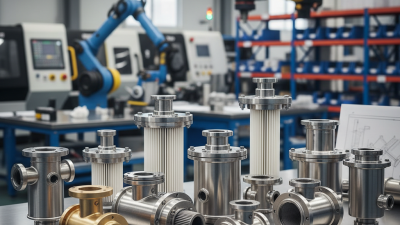
When choosing steam filter options, understanding features and specifications is crucial. Many buyers seek reliable systems to ensure effective sterilization. Key features often highlighted include filtration efficiency, material durability, and the ability to withstand high temperatures. One popular design is the Steam-Sterilizable Cartridge Filter Housing. This housing ensures optimal performance and longevity, making it a preferred choice for many industries.
Another significant aspect to consider is the maintenance requirements. Some filters may require frequent changing, while others can last longer. Regularly checking the integrity of the Steam-Sterilizable Cartridge Filter Housing can prevent unexpected downtimes. Additionally, the ease of installation plays a role. Filters that are user-friendly reduce the risk of improper installation and subsequent failures.
It's vital, however, to reflect on the user experience. Some options might promise high performance but deliver average results in practice. Collecting feedback from different users can shed light on what works best. Always prioritize quality over cost, as cheap filters can lead to bigger issues down the line. Balancing specifications with real-world efficacy is key in making a well-informed choice.
When evaluating steam filter options, a comparative analysis reveals the diverse landscape of available products. Recent industry reports indicate a growing demand for efficient steam filtration systems. Data shows that over 70% of manufacturers prioritize reliability and efficiency in their filtering choices. This trend underscores the need for robust performance in various applications, from food processing to pharmaceuticals.
Understanding the specifications is crucial. Many filters feature advanced materials designed for durability. Certain filters can remove up to 99.9% of contaminants. However, not all filters can maintain consistent performance under pressure. Some users have encountered issues with clogging or decreased flow rates over time. These challenges highlight the importance of selecting a steam filter that aligns with specific operational requirements.
Consider these aspects when choosing a steam filter: the compatibility with existing systems, filtration efficiency, and maintenance needs. It's essential to assess the lifecycle of the Ts Filter you are interested in. Investing in a filter that balances cost and performance can lead to long-term benefits. Regular evaluations can help identify any decline in performance, ensuring that you maintain high operational standards while minimizing downtime.
When searching for steam filters, user reviews provide valuable insights. Many buyers prioritize ease of use and efficiency. Reviewers often highlight the importance of compatibility with various models. Solid construction and durability are recurring themes in feedback. A steam filter that lasts longer is a common expectation among users.
Some users express frustration over installation processes. A few filters might have confusing instructions. This can lead to a lack of confidence in purchasing decisions. However, many appreciate filters that come with clear guides and support. Reliability is essential. Users mention how a dependable Oil Filter contributes to overall satisfaction.
User recommendations often emphasize the impact of maintenance. Regular cleaning is crucial for optimal performance. Some users share experiences of filters that required minimal upkeep. This reinforces the idea that quality matters. On platforms where users post reviews, genuine experiences shine through. They guide potential buyers toward informed choices.
Maintaining steam filters is crucial for their performance and durability. Regular upkeep ensures that they function efficiently under various conditions. Dust and mineral buildup can severely hinder a filter’s ability to clean steam. Therefore, routine inspections are essential.
One common oversight is neglecting to change or clean filters regularly. Cleaning filters every few weeks can prevent clogs. If a filter is too dirty, it may need replacement sooner than expected. Many users underestimate this maintenance step, leading to reduced efficiency.
Storing filters properly can also enhance their lifespan. Ensure they are dry and protected from contaminants. Consider labeling spare filters by their installation date, keeping track of their usage. This practice helps in managing replacements proactively. Catching issues early can save time and costs in the long run.
In recent years, steam filter technology has significantly advanced. The global market for steam filtration is expected to reach USD 7 billion by 2025, growing at a CAGR of 6.5%. Such growth reflects the rising demand for efficient process steam across many industries. As industries evolve, they increasingly require high-quality steam for applications like sterilization and product quality enhancement.
One trend is the move towards automation in steam filtration systems. Automated filters can reduce operational costs and increase efficiency. According to a 2022 report from a leading industry analyst, automated steam filters have been shown to improve operational efficiency by up to 30%. However, many facilities still rely on manual systems, which can lead to inconsistencies in filtration quality. This reliance indicates a gap that many manufacturers need to address.
Sustainability is another significant trend influencing steam filter technology. Eco-friendly materials are becoming more prevalent, as industries focus on reducing their carbon footprint. A 2023 study highlighted that 45% of companies are investing in green technologies, including advanced steam filtration solutions. Despite these advancements, challenges remain. For instance, ensuring reliability while using biodegradable materials can be difficult. Embracing innovation in steam filter technology is crucial as industries seek to balance efficiency, cost, and environmental impact.
| Filter Type | Material | Filtration Efficiency | Max Operating Pressure (bar) | Temperature Range (°C) | Expected Lifespan (months) |
|---|---|---|---|---|---|
| Microfiber Filter | Polyester | 99.9% | 10 | 120 | 6 |
| Activated Carbon Filter | Activated Carbon | 98% | 8 | 95 | 12 |
| Stainless Steel Filter | Stainless Steel | 99% | 15 | 150 | 24 |
| Ceramic Filter | Ceramic | 95% | 12 | 120 | 18 |
| Bag Filter | Polypropylene | 90% | 5 | 85 | 9 |
| Pleated Filter | Polyester | 99.5% | 10 | 140 | 15 |
| Screen Filter | Stainless Steel | 85% | 20 | 100 | 36 |
| Coalescing Filter | Fiber Media | 99% | 12 | 130 | 24 |
| Filter Cartridge | Polypropylene | 99% | 10 | 120 | 12 |
| Vacuum Filter | Nylon | 95% | 8 | 100 | 9 |
: Assess performance reliability, manufacturing materials, installation ease, and maintenance needs. These are essential for efficient operation.
Reliable filters perform well under varied conditions. They often have a longer lifespan, which saves costs.
Filters made from stainless steel are recommended. They resist corrosion and wear better than other materials.
Easy installation leads to less frustration. Complicated setups can diminish confidence in your purchase choice.
Regular maintenance ensures optimal performance. Filters that require less upkeep help reduce operational costs over time.
Some report frustrating experiences with unclear instructions. Clear guides help improve buyer confidence significantly.
Reviews highlight ease of use and efficiency. Users share genuine experiences that aid potential buyers in decision-making.
Efficient filters reduce energy consumption. They improve steam quality and help meet sustainability standards.
Focus on durability, compatibility, and reliability. Many users expect filters to last longer and perform consistently well.
Steam filters play a crucial role in various industries by ensuring the quality and efficiency of steam used in processes. This article explores the essential aspects of selecting the best steam filter for specific needs, emphasizing key criteria such as material compatibility, filtration efficiency, and maintenance requirements.
The top ten steam filter options are analyzed for their features and specifications, providing a comparative overview of their performance. User reviews and recommendations highlight real-world experiences, guiding potential buyers in making informed decisions. Finally, maintenance tips are offered to enhance the longevity of steam filters, while the article also discusses future trends in steam filter technology, showcasing innovations expected to shape the industry.