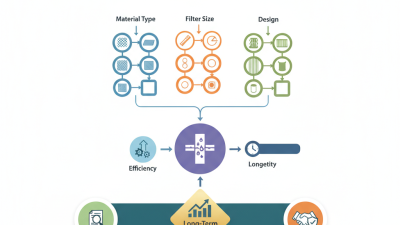
Picking the right metal filters really makes a difference in how smoothly your operations run. They’re pretty important across all sorts of industries — think food processing, chemical manufacturing, and more. But here’s the thing: you’ve gotta understand what your specific needs are. Not all metal filters are created equal, and they need to meet certain standards to give you the best performance.
Honestly, with so many options out there, knowing what to look for is really important. Not every metal filter fits every job. Some are great at catching tiny particles, while others are built to last through tough conditions. So, it’s worth considering things like size, what type of metal it’s made from, and just how fine the filtration needs to be. Every choice has its pros and cons, so weighing those out is key.
Also, thinking back on your past experiences with filters can really help. Did you run into issues before? Maybe the problem was choosing the wrong filter for the job? Learning from those moments can make your future choices way easier and more effective. At the end of the day, picking the right metal filter means fewer hiccups, more productivity, and less downtime overall.
Understanding the Different Types of Metal Filters Available
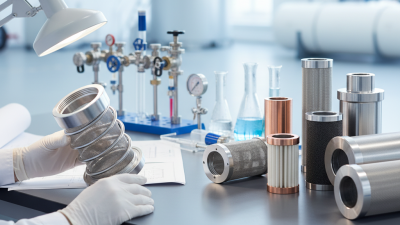
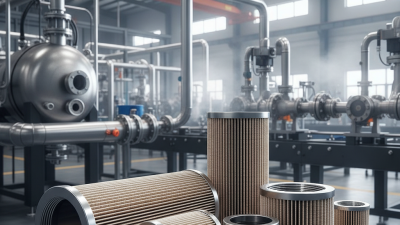
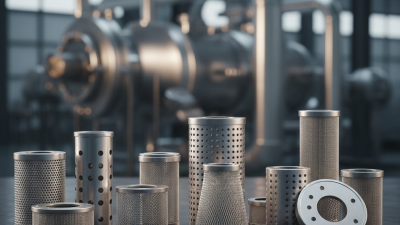
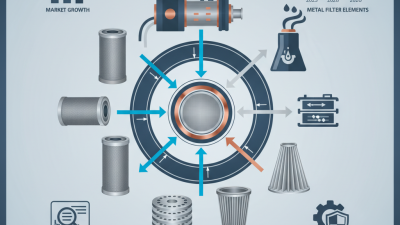
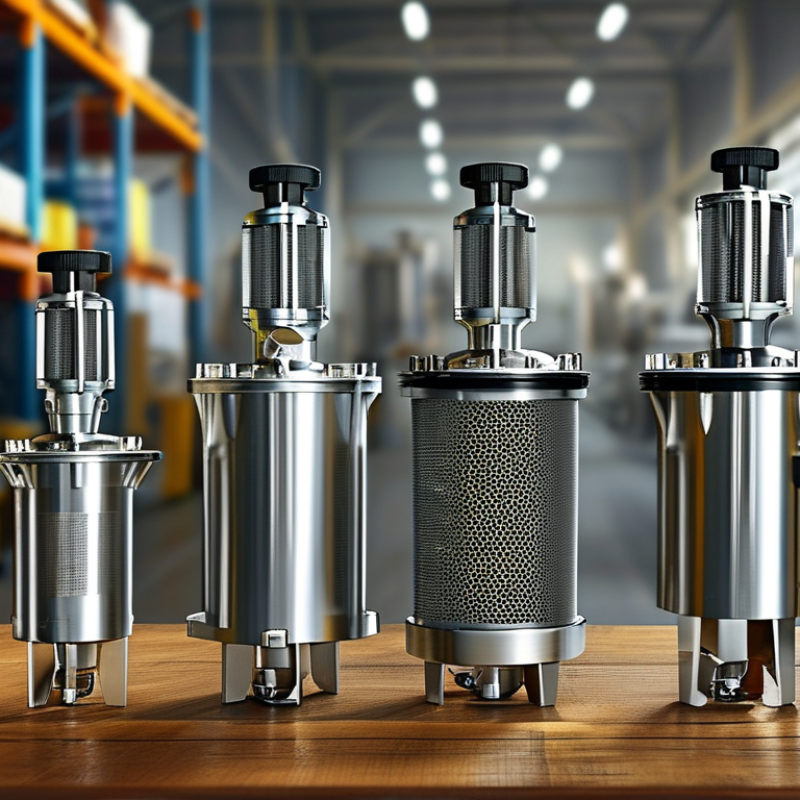
When selecting metal filters, understanding the different types is crucial. Metal filters come in various designs, such as mesh, perforated plates, and sintered types. Each type serves unique purposes in applications. Mesh filters excel in capturing larger particles. They have high flow rates but may not handle fine particles effectively. In contrast, sintered filters provide excellent filtration for small impurities. They are ideal for industries requiring high-purity materials.
Data from industry reports shows that the market for metal filters is expanding rapidly. The global metal filter market was valued at approximately $1.5 billion in 2022 and is projected to grow at a CAGR of 5.5% through 2030. This growth reflects the increasing demand for filtration systems across diverse sectors. However, not every metal filter suits every need. Choosing the wrong type can lead to inefficiencies and increased operational costs. It’s essential to assess the specific requirements of your application with care.
Material quality is also pivotal. Stainless steel is preferred for its corrosion resistance, but it's not always necessary. In some cases, the cost may outweigh the benefits. An analysis of market trends indicates that lightweight aluminum filters are gaining traction, particularly in automotive applications. While these filters can be less durable, they provide an excellent balance between cost and performance if used strategically.
Evaluating Filter Material and its Implications for Performance
When selecting metal filters, the material used significantly affects performance. Different materials have distinct properties. Stainless steel offers durability and resistance to corrosion. Aluminum is lightweight but may not withstand high temperatures as effectively. Consider the specific application. Depending on the environment, one material may outperform another.
Evaluating the filtration efficiency is crucial. The porosity of the material impacts how well it captures unwanted particles. For instance, finer meshes may trap more contaminants, but they could also restrict airflow. This trade-off between filtration and efficiency must be considered carefully.
Additionally, think about maintenance. Some materials require more upkeep. For example, stainless steel is easier to clean compared to certain composite materials. A filter that is hard to maintain can lead to performance issues over time. Always weigh the long-term implications of your choice.
Assessing the Filtration Efficiency and Capacity of Metal Filters
When choosing metal filters, assessing their filtration efficiency and capacity is vital. Filtration efficiency determines how well a filter can remove unwanted particles from fluids. A higher efficiency rating usually indicates that smaller particles are captured. However, achieving a very high efficiency can affect the filter's operational capacity. It’s important to find a balance that matches your specific application needs.
One key consideration is the type of mesh used in Mesh Metal Filters. Different mesh sizes serve various purposes. A finer mesh captures smaller particles but may clog more quickly. Conversely, a coarser mesh offers better flow but may allow larger particles to pass through. Evaluating the right mesh size requires an understanding of what contaminants are present in the system.
Another aspect to consider is the filter's capacity. This refers to how much volume the filter can handle before needing maintenance. It's often overlooked but crucial for ensuring consistent performance. Sometimes, filters with high capacity may have lower efficiencies, prompting the need for regular monitoring. This trade-off can affect your overall filtration process, so it's essential to assess your operational requirements carefully.
Considering Compatibility with Existing Systems and Applications
Choosing the right metal filters involves careful consideration of your current systems and applications. Compatibility is key. A 2022 report from the Filtration Society found that 75% of filtration failures stem from poor selection processes. This statistic underscores the importance of aligning metal filters, such as 1μm Metal Filters, with existing machinery and processes.
When assessing compatibility, focus on the material properties and filtration capabilities. For instance, a filter that cannot withstand high temperatures or corrosive environments can lead to failure. Conducting thorough tests can save substantial costs. A case study showcased a food processing plant that faced significant downtime due to improper filter selection. They switched to 1μm Metal Filters, tailored to their specific application, reducing maintenance time by 40%.
Consulting industry standards is essential. Keep in mind that not all filters perform equally in identical conditions. Having reliable data on performance can guide decisions. Take into account your system's flow rates and pressure limits. Understanding these variables leads to more informed choices. However, over-reliance on brand reputation can cloud judgment. Ensure your choice is backed by data and field tests, not just marketing claims.
Analyzing Maintenance Requirements and Longevity of Metal Filters
When selecting metal filters, consider maintenance requirements and longevity. Washable Metal Filters are designed to endure harsh conditions. They capture contaminants effectively, yet their upkeep demands attention. Regular cleaning extends their life and performance. Neglecting this aspect may lead to reduced efficiency and increased costs down the line.
It's crucial to understand cleaning methods. Many users underestimate the impact of buildup on filter performance. A simple rinse might seem sufficient, yet deeper cleaning methods can do wonders. For those considering Washable Metal Filters, remember: proper maintenance isn't just about efficiency; it influences overall system health too.
Be aware of wear patterns over time. While these filters are robust, they aren't invincible. Some users report premature failures without consistent maintenance. It's a learning curve. Balancing diligent care with operational demands can be challenging. Emphasizing maintenance in your selection process can significantly enhance longevity.
Budget Considerations: Finding the Best Value for Your Needs
When selecting metal filters, budget considerations play a critical role. Many industries rely on these filters for their efficiency, yet finding the best value can be challenging. A recent report from the International Filtration Society found that high-quality filters can enhance operational efficiency by up to 30%. Choosing the right material and design can save significant costs over time.
Titanium Metal Filters are particularly notable for their durability. They resist corrosion and can operate effectively under high temperatures. While they may have a higher upfront cost, studies indicate that they last approximately two to three times longer than cheaper alternatives. This long lifespan ultimately translates to lower replacement costs and reduced downtime.
However, it’s essential to assess your specific needs before making a decision. Some users may find themselves swayed by attractive initial pricing without considering long-term performance. Reflecting on experiences shared in industry forums, many have regretted opting for lower-cost options that failed to deliver. By prioritizing both performance and budget, you can secure a filter that meets both your financial and operational goals.
Top 5 Metal Filters: Budget Considerations and Value Analysis
Seeking Expert Recommendations and Reviews for Informed Choices
When selecting metal filters, expert recommendations play a crucial role. Understanding the specific needs of your application is vital. For instance, consider the size and type of particles you want to filter. Different projects may require distinct filtration levels. Take time to read reviews and gather insights from professionals who have experience with various metal filters. These voices can steer you towards the best choices.
One area to focus on is filter material. Various metals can provide different strengths and durability. Stainless steel filters often resist corrosion better than aluminum ones. However, aluminum is typically lighter and may suit portable applications better. Gathering technical details can refine your decision-making process. Recognizing the unique requirements of your project will make a huge difference.
Remember to assess the maintenance requirements. Some filters may demand more regular cleaning or replacement. Speak with technicians who have hands-on experience. They may offer practical advice that goes beyond what product descriptions provide. This knowledge can highlight potential issues that are not immediately obvious. It's important to remain open to feedback even if your initial choice seems perfect.
Top 5 Tips for Choosing the Right Metal Filters
| Tip Number |
Tip Description |
Considerations |
| 1 |
Determine the Type of Metal Filter You Need |
Consider the environment in which the filter will be used. |
| 2 |
Evaluate Filtration Efficiency |
Look for filters with a high capture rate appropriate to your needs. |
| 3 |
Check Material Compatibility |
Ensure materials are compatible with fluids or gases being filtered. |
| 4 |
Consider Maintenance and Cleaning |
Assess how often the filter needs cleaning or replacement. |
| 5 |
Seek Expert Recommendations |
Consult with industry professionals for insights. |
Comprehensive Guide to Premium PES Membrane Disc Filters: Selection, Applications, and Benefits
In the realm of laboratory filtration, premium PES membrane disc filters stand out for their exceptional performance and versatility. Designed with precise dimensions, these disc filters come in standard sizes such as 25mm, 47mm, and 90mm, facilitating seamless integration with various filtration apparatus like laboratory filter funnels and syringe filters. Their rigid yet lightweight construction is not only practical for handling but also critical in maintaining a secure fit, thus effectively minimizing leakage risks during filtration processes. According to the "Journal of Filtration Technology," using standardized filter sizes can enhance workflow efficiency in research and development environments, particularly in quality control and small-scale production applications.
The applications of PES membrane disc filters are vast, extending to the realms of particle analysis, sample purification, and sterile filtration of low-volume solutions. The consistent pore size distribution across these discs assures researchers of reliable and reproducible results, imperative for industries that demand high precision in filtration. Data from the "Annual Review of Analytical Chemistry" highlights that maintaining such accuracy is crucial for laboratories, particularly those engaged in pharmaceutical development and environmental monitoring, where even minor variations in filtration outcomes can lead to significant implications.
Moreover, the quick replacement feature of PES membrane disc filters further supports laboratory efficiency. Targeted for R&D labs and sectors requiring frequent low-volume filtration, these discs contribute significantly to minimizing cross-contamination risks. As noted in various industry reports, robust filtration techniques are essential for maintaining sample integrity, a key aspect that these premium disc filters are designed to uphold, making them an invaluable tool in analytical and quality control settings.
FAQS
: Material properties, filtration efficiency, porosity, maintenance needs, and compatibility with existing systems are crucial.
Different materials like stainless steel and aluminum offer unique benefits and limitations that influence overall performance.
Higher porosity allows better air flow but may trap fewer contaminants. Balancing these factors is important for effectiveness.
Filters requiring frequent upkeep may lead to performance issues. Choosing easy-to-clean materials can save time and costs.
Filters that can’t withstand specific conditions may fail. Aligning filters with machinery and environmental needs is essential.
Balancing initial cost with long-term performance is vital. Cheaper options can lead to regrets and additional costs later on.
Yes, understanding industry standards and having reliable data can guide better filter choices and improve performance.
Over-relying on brand reputation or choosing based on low price can lead to inadequate performance and higher maintenance efforts.
High-quality filters, despite their higher upfront costs, typically last longer, reducing long-term replacement costs and minimizing downtime.
Conclusion
When choosing the right metal filters, it is essential to understand the various types available and their specific applications. Evaluating the filter material is crucial as it directly impacts performance; different materials can offer varying levels of durability and efficiency. Filtration efficiency and capacity are also key considerations, as they determine the filter’s effectiveness in specific operational contexts.
Additionally, compatibility with existing systems must be assessed to ensure seamless integration. Regular maintenance requirements and the longevity of metal filters should not be overlooked, as these factors contribute significantly to the overall cost of ownership. Finally, budget considerations should guide your decision-making process, ensuring you find the best value that meets your filtration needs. Seeking expert recommendations and consulting reviews can further equip you to make informed choices in selecting the most suitable metal filters for your applications.